
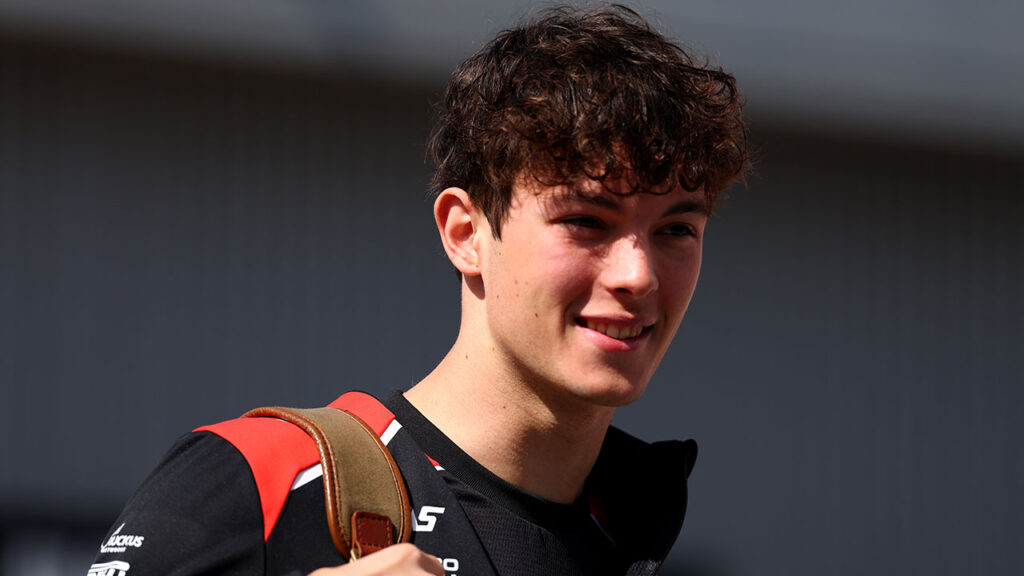
Oliver Bearman’s start to the season has confirmed what many in the paddock already suspected: the Briton is not just a promising rookie, but a driver with the ability to establish himself quickly in Formula 1. After three rounds, Bearman sits inside the top ten of the championship on 17 points, combining solid performances, fast adaptation and an increasing ability to maximize the machinery available to him.
The most important point is that this impact has not come from occasional flashes alone. Bearman has been consistent enough to stay on the radar of teams and analysts, building his season through a mix of pace and competitive intelligence. In a very tight 2026 grid, that consistency matters as much as standout moments.
A start that reinforces his long-term potential
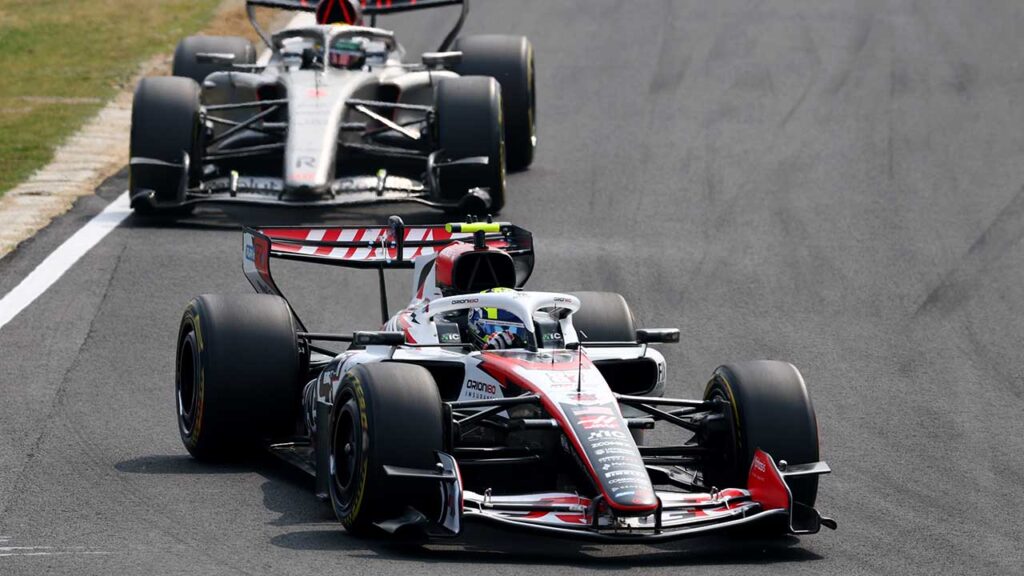
Even without top-tier machinery, Bearman has placed himself in a meaningful competitive position at the start of the championship. The fact that he sits ahead of several more experienced names in the standings after Suzuka helps frame the quality of his opening phase. More than isolated results, what stands out is how increasingly comfortable the Briton looks with the demands of the category.
That growth is also visible in the way he manages races. Bearman seems less dependent on chaotic opportunities and more capable of building races methodically, something essential for a driver hoping to establish himself as a serious figure within Formula 1’s new generation.
Suzuka brought the biggest scare of the year
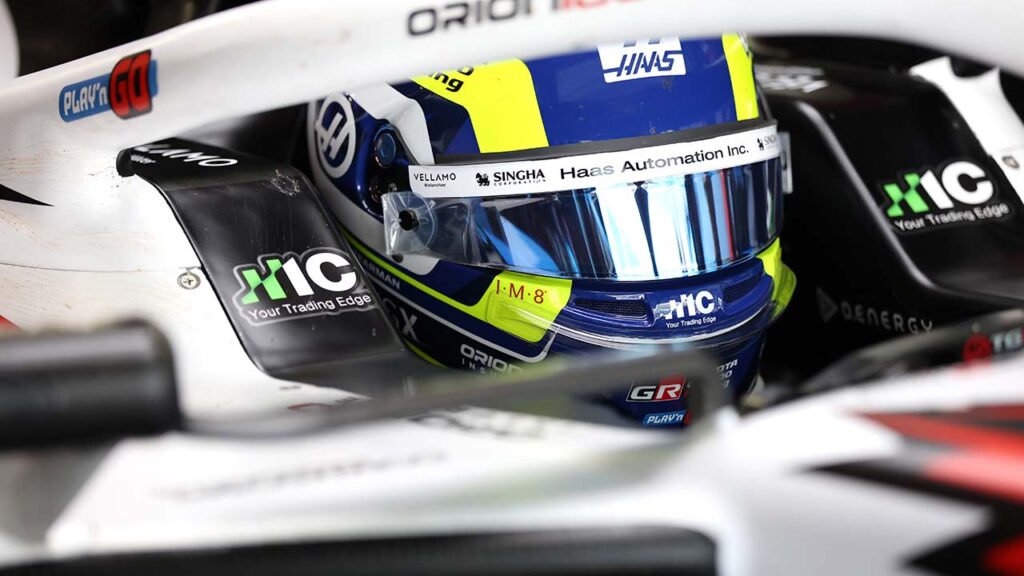
The Japanese Grand Prix interrupted that momentum with one of the most violent crashes of the season so far. Bearman went off at over 300 km/h while attempting to pass Alpine’s Franco Colapinto through Spoon, suffering an impact of around 50G. He climbed out under his own power, although with a bruised right knee, and the crash immediately triggered a wider debate over the speed differentials created by the new 2026 energy-management rules.
The context of the crash matters. Several drivers and team figures argued after the race that Bearman’s incident was not simply an individual mistake, but also a consequence of the speed differences the 2026 regulations can create at certain moments of the lap. The FIA has already confirmed a structured review ahead of the next race, showing that Suzuka may have consequences beyond Bearman’s retirement itself.
The overall picture remains positive
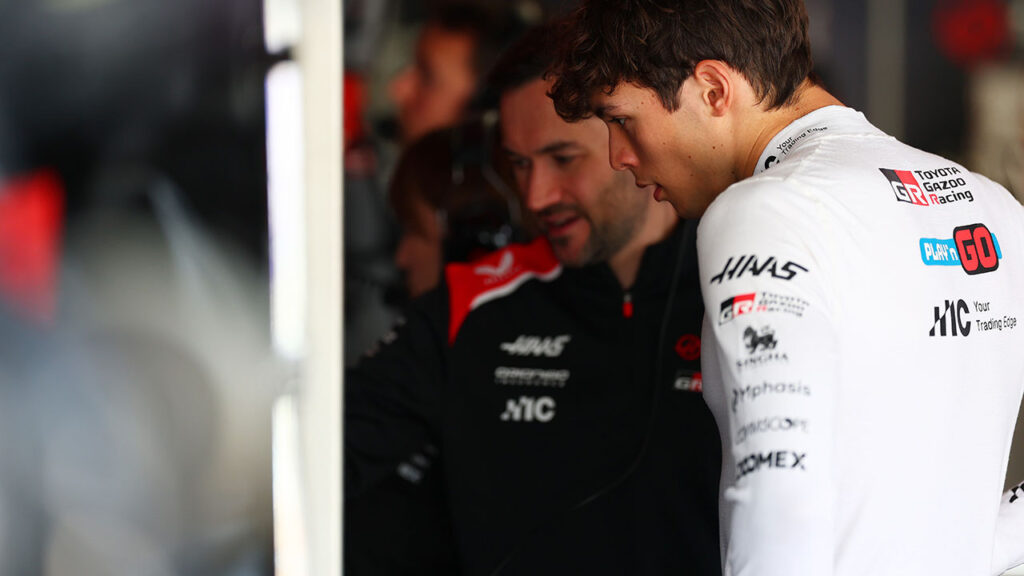
Despite the retirement, the bigger picture around Bearman remains positive. The Japanese crash was serious, but it does not change the overall impression that the Briton is handling the step up to Formula 1 well. In a championship where rookies are placed under immediate maximum pressure, leaving Suzuka still as one of the best-placed young drivers on the grid is, in itself, an important indicator.
Bearman therefore remains a driver to watch very closely. The talent is there, the early results are there too, and the Suzuka episode, rather than erasing what he had built, underlined the level of difficulty of the environment in which he is developing. For a young driver, that can prove just as important as the points already scored.