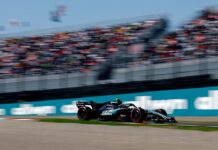








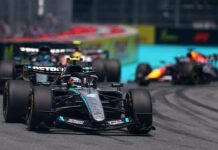






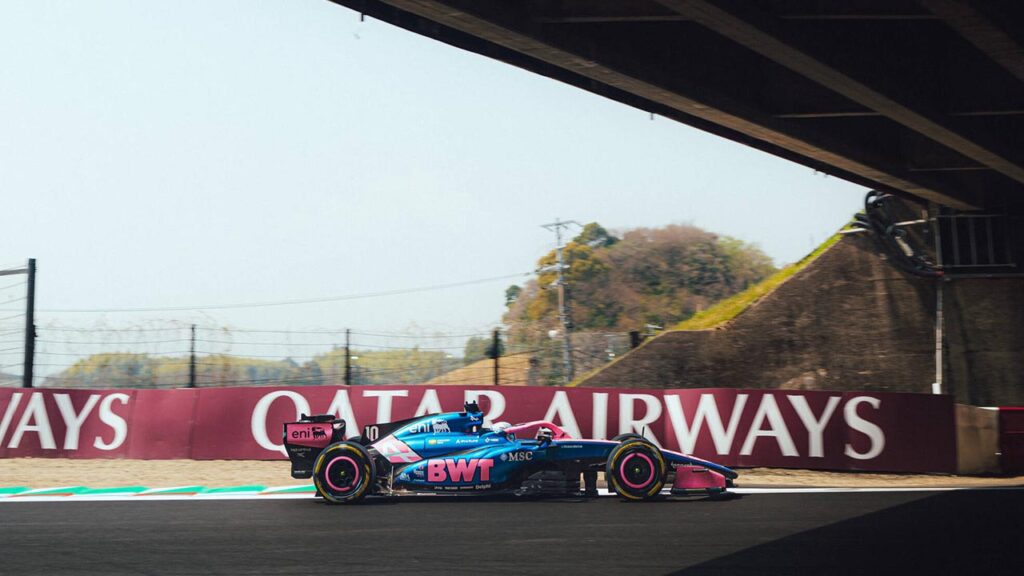
Alpine reaches the first serious checkpoint of the 2026 season with a dual reality. On one side, Pierre Gasly has managed to keep the team regularly in the points and, after Suzuka, sits inside the top ten of the championship. On the other, Franco Colapinto remains in a more uneven adaptation phase, with just one point from the opening three races and still searching for a more stable baseline.
That difference does not necessarily point to an internal crisis, but it does expose Alpine’s current position. The team appears to have taken a competitive step compared to 2025, yet it still relies heavily on Gasly’s experience to convert pace into results. At the same time, Colapinto is facing what is normal for a rookie in Formula 1: the need to learn quickly in an extremely tight championship.
Gasly is the balancing point
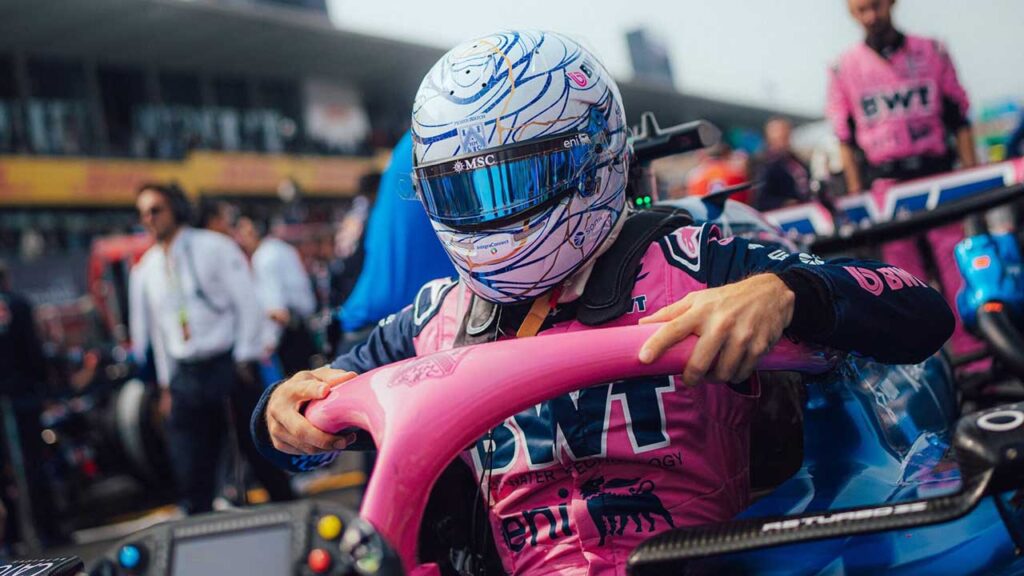
Pierre Gasly has been Alpine’s central figure at the start of the championship. The Frenchman opened the year with 10th in Australia, scored again in China, and confirmed his strong form in Japan with a very solid seventh place, finishing ahead of Max Verstappen at Suzuka. That run of results explains why he is, for now, the most stable face of Alpine’s 2026 campaign.
More than the points themselves, the way Gasly has achieved them stands out. He has extracted performance from the car in very different contexts, from busy races like Melbourne to more technical and strategic events like Suzuka. In a team still far from the front, that consistency matters enormously.
Colapinto shows flashes, but still with fluctuations
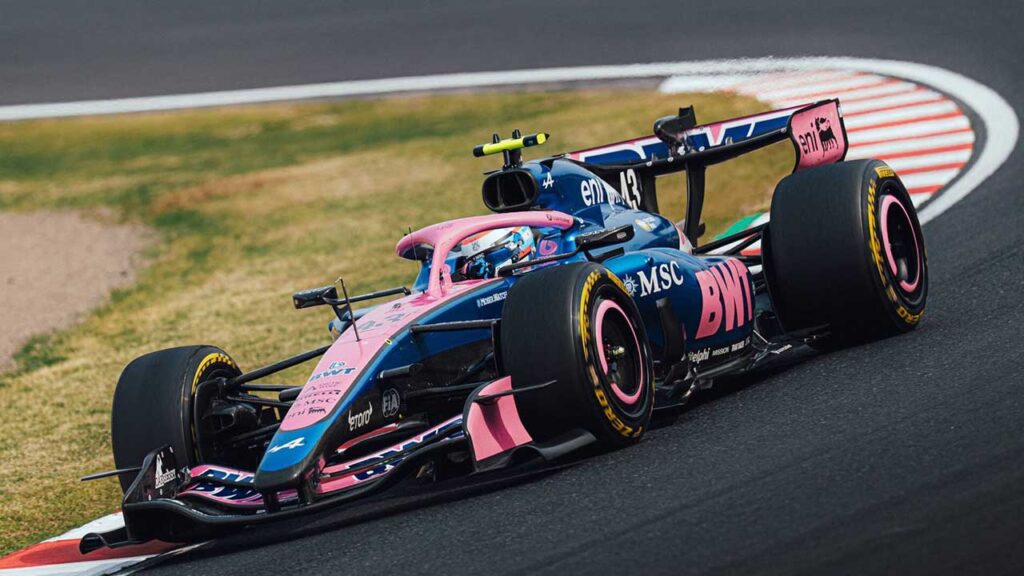
Franco Colapinto’s best moment so far came in China, where he finished 10th and scored his first point of the season, but the wider assessment of the first three rounds remains more uneven than Gasly’s. In Australia, a penalty caused by an operational error ended his chances of scoring, and in Japan he could do no better than 16th after a weekend in which his name also entered the spotlight because of the circumstances surrounding Oliver Bearman’s crash.
None of this cancels out the Argentine’s potential, but it helps frame his start more accurately. Colapinto is still building his reference level in qualifying, race craft and energy management, precisely under a new ruleset that has made life more difficult for less experienced drivers. For Alpine, the priority now is to turn those flashes into consistency.
Three races leave an in-between verdict
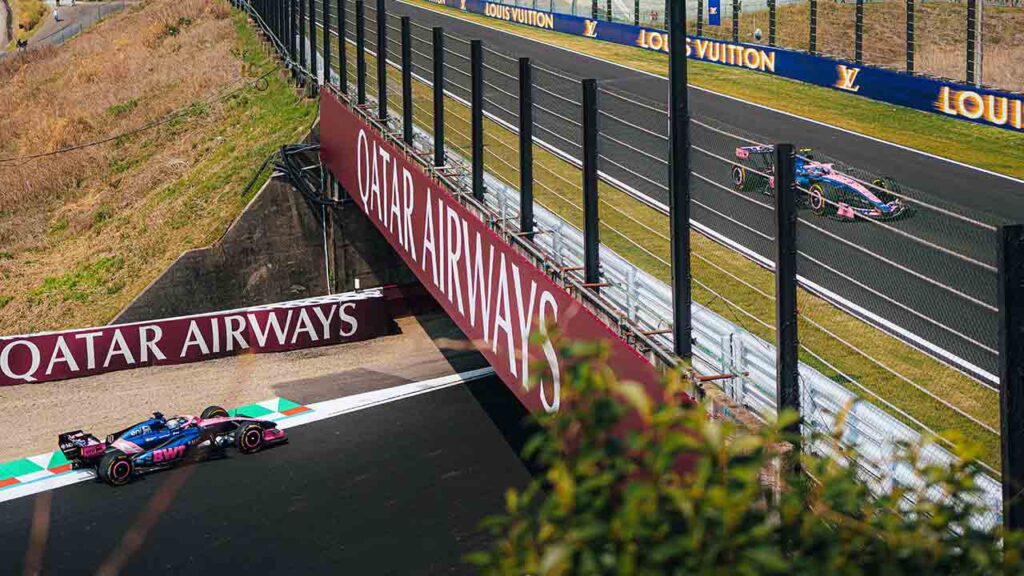
Alpine’s overall assessment across the opening three races is therefore mixed, but not negative. The team has shown the ability to score with some regularity and heads into the break before Miami with the sense that there is a usable competitive base. At the same time, the contrast between the two drivers shows there is still work to do before that potential becomes consistent results on both sides of the garage.
If Gasly maintains this level and Colapinto can stabilize his adaptation, Alpine could establish itself as one of the strongest teams in the midfield. For now, it lives between two speeds: the rhythm of experience delivering points and the rhythm of learning preparing the future. That duality explains the team’s real position after Australia, China and Japan.