


















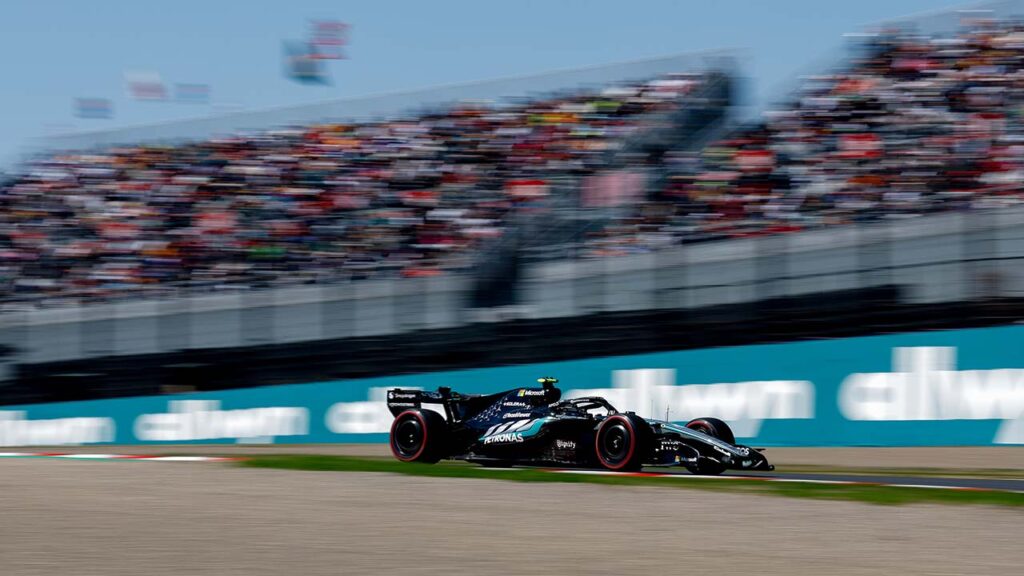
Any preview of the Japanese Grand Prix has to begin with one unavoidable fact: Mercedes arrives at Suzuka as the benchmark of the championship. George Russell leads the standings with 51 points, Kimi Antonelli is close behind on 47, and Mercedes has already won the first two races of 2026, including Antonelli’s maiden Grand Prix victory in China, where the Italian also took pole position.
Friday practice reinforced that picture, without making it absolute. In FP1, Russell topped a Mercedes one-two ahead of Antonelli, with Norris, Piastri, Leclerc and Hamilton following. In FP2, Oscar Piastri hit back to put McLaren on top, but Antonelli and Russell still completed the top three, suggesting Mercedes continues to have the strongest all-round base even when it is not first on the timesheets.
Mercedes leads the way, but Suzuka does not forgive half-truths
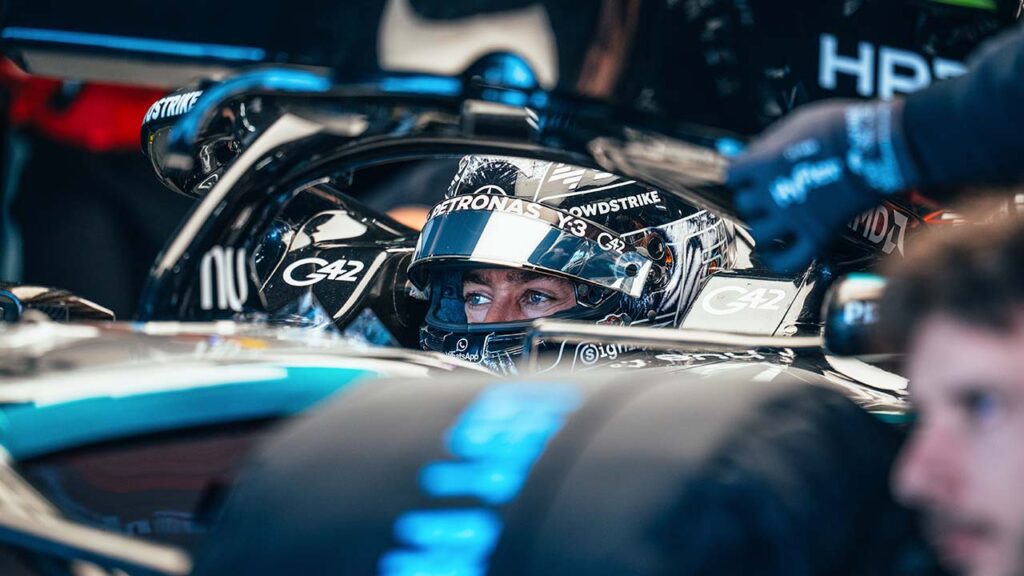
Suzuka matters because it brutally exposes aerodynamic balance, confidence through fast direction changes, and tyre management. F1’s own technical preview had already suggested that this year’s Japanese Grand Prix could feel very different from the opening rounds, precisely because the 2026 rules significantly change how tyres and energy deployment behave on such a flowing and demanding circuit.
This is where Mercedes must turn good form into full authority. So far, the team has combined strong qualifying, clean races and excellent operational stability. But Suzuka demands more: a predictable car in the fast corners and perfect energy use through the lap. If Russell and Antonelli again control the front here, the idea that Mercedes is the team to beat will stop being a trend and become a competitive fact.
McLaren looks alive again and may be the main threat
If one team came out of Friday with its stock rising, it was McLaren. After a disastrous start to the season — with Piastri crashing in Australia and both cars failing to start in China — the Woking squad showed clear signs of recovery at Suzuka. Piastri topped FP2 and Norris finished in the top four in both sessions, even if he continued to deal with minor reliability concerns.
The key question is whether that pace will hold in qualifying and, above all, in the race. Andrea Stella admitted on Friday that Mercedes still appears to have “a step” when it comes to putting a full lap together, but he also acknowledged that Ferrari, McLaren and Mercedes all performed broadly as expected. That makes McLaren especially interesting heading into Saturday: it looks closer, but not yet clearly at Mercedes’ level.
Ferrari is present, but still not dictating the weekend
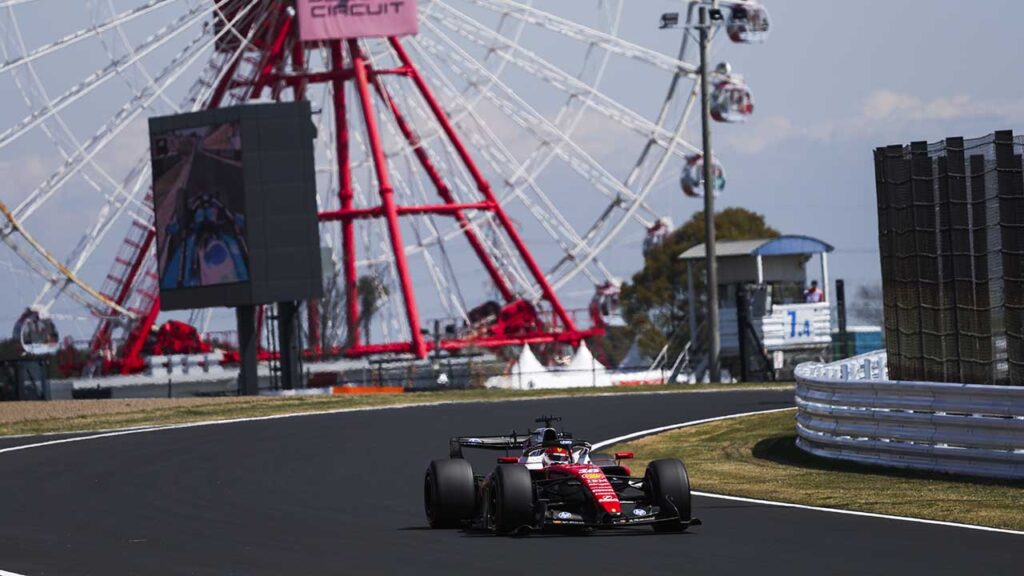
Ferrari remains part of the conversation, but not with the weight of a favourite. Leclerc and Hamilton finished both sessions in the upper part of the order, yet without the feel of a team controlling the weekend. Hamilton in particular admitted to balance issues on Friday, suggesting Ferrari is still searching for the right setup window at a circuit where driver confidence matters as much as downforce.
Even so, Ferrari is not out of the fight. Third and fourth in the drivers’ standings, with Leclerc on 34 points and Hamilton on 33, shows the team has been solid at the start of the year. And if Suzuka turns into a race of execution and strategy rather than outright pace alone, Ferrari could absolutely move into podium contention — or more, if Mercedes and McLaren stumble.
Verstappen arrives at Suzuka with strong memories and an uneasy present
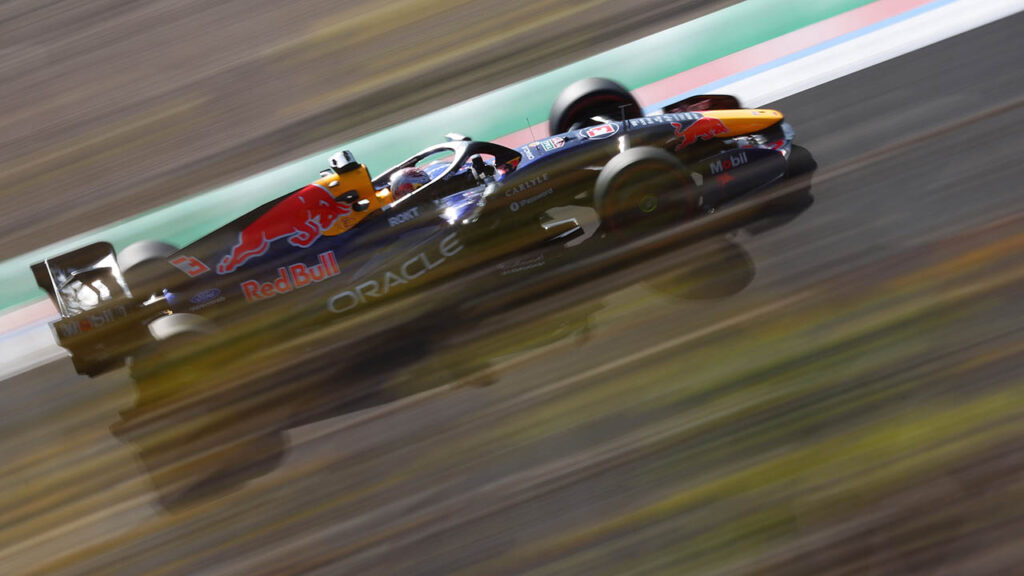
There is always a special narrative when Suzuka appears on the calendar and Max Verstappen is on track. The Dutchman has won the last four Japanese Grands Prix, and Suzuka is one of the circuits that best suits his precise and aggressive style. But the current context is very different. Verstappen was only seventh in FP1, tenth in FP2, and has already admitted he is not expecting “miracles” from Red Bull this weekend.
After his retirement in China and a season start far below his usual standards, the question is not so much whether Verstappen can win, but whether he can drag Red Bull into genuine contention. At Suzuka, experience and individual brilliance can hide some lack of baseline performance over one lap; over a full race distance, that is much harder to sustain.
What could decide the race
Friday’s running points to a grid tighter than the championship table suggests. Mercedes appears to have the best overall platform. McLaren looks alive again. Ferrari remains close, but incomplete. And Verstappen remains a dangerous unknown, especially at a circuit where grid position has historically mattered enormously: 30 Japanese Grand Prix winners have started from the front row.
So the most rigorous preview may simply be this: Suzuka should confirm Mercedes as favourite, but not necessarily with comfortable dominance. If Friday told the truth, Antonelli and Russell begin ahead, Piastri and Norris are the real threat, Ferrari is ready to exploit any weakness, and Verstappen remains too gifted to be dismissed even when the car is not fully there. Round three may not decide anything yet — but it has every chance of saying a great deal about who is truly ready to fight for the 2026 title.