


















Max Verstappen is not only one of the biggest names in Formula 1 — he is also one of the most influential figures in the global rise and legitimisation of sim racing. At a time when the boundary between virtual and real competition is becoming increasingly blurred, the Dutch driver stands out as a key catalyst in that transformation.
Unlike many drivers who use simulators purely as training tools, Verstappen treats sim racing as a genuine extension of his competitive life. He regularly competes in online races — often away from the spotlight — going head-to-head with some of the world’s top sim racers.
That approach has a direct impact on how sim racing is perceived. When a Formula 1 world champion takes virtual competition seriously, it validates the discipline. It is no longer seen as entertainment, but as a legitimate branch of motorsport.
A real influence on a growing ecosystem

Verstappen’s active involvement has helped accelerate the professionalisation of sim racing. His commitment highlights the level of technical and mental skill required — including consistency, racecraft and adaptability — all essential traits in real-world racing.
Beyond that, his influence draws new audiences into the space. Formula 1 fans who follow Verstappen inevitably discover platforms like iRacing and other competitive leagues, expanding the reach of sim racing globally.
There is also a strong inspirational effect. The growing number of drivers transitioning from sim racing into real-world motorsport gains even more credibility when a figure like Verstappen reinforces that connection. The pathway becomes not just possible, but aspirational.
From Team Redline to Verstappen.com Racing
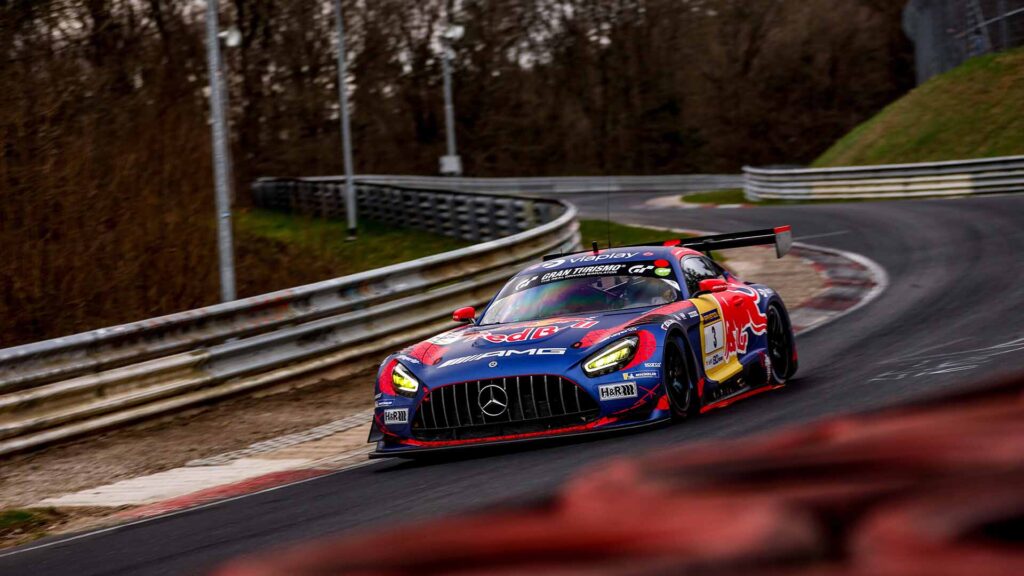
One of the clearest examples of Verstappen’s impact is his direct involvement in organised sim racing teams. For years, he was closely linked to Team Redline, one of the most successful and respected outfits in the virtual racing world.
More recently, that involvement has evolved into a more personal and structured project: Verstappen.com Racing. This initiative represents a significant step forward, creating a platform that directly connects sim racing with real-world motorsport.
The team features elite sim racers but is also expanding into real racing categories, particularly GT competition. This move is highly significant, as it turns a long-standing concept into reality — a direct bridge between digital and physical racing.
Verstappen.com Racing effectively operates as a hybrid development structure. On one side, it competes at the highest level of sim racing; on the other, it explores real-world opportunities, creating a tangible pathway between the two environments.
This model could become a blueprint for the future of motorsport. As more talent emerges from the virtual world, teams capable of nurturing and transitioning that talent into real racing will hold a clear competitive advantage.
A catalyst for change in motorsport

Max Verstappen’s influence on sim racing goes beyond his role as a driver or team figure. He represents a broader cultural shift within motorsport.
Not long ago, sim racing was viewed with skepticism by parts of the traditional paddock. Today, that perception is changing — and figures like Verstappen are central to that evolution.
By investing time, credibility and resources into the virtual space, he is helping redefine what it means to be a modern racing driver. Versatility is becoming a key asset, and the ability to compete across different platforms is increasingly seen as a natural extension of a racing career.
If the future of motorsport lies in the integration of real and virtual competition, Verstappen is not just following that trend — he is leading it.
And that may prove to be just as impactful as any championship he wins on track.