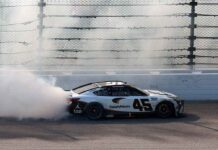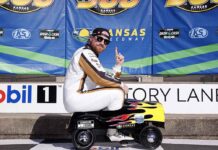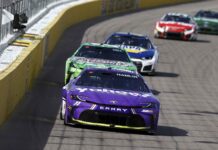






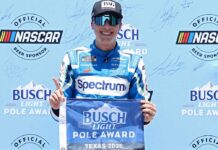




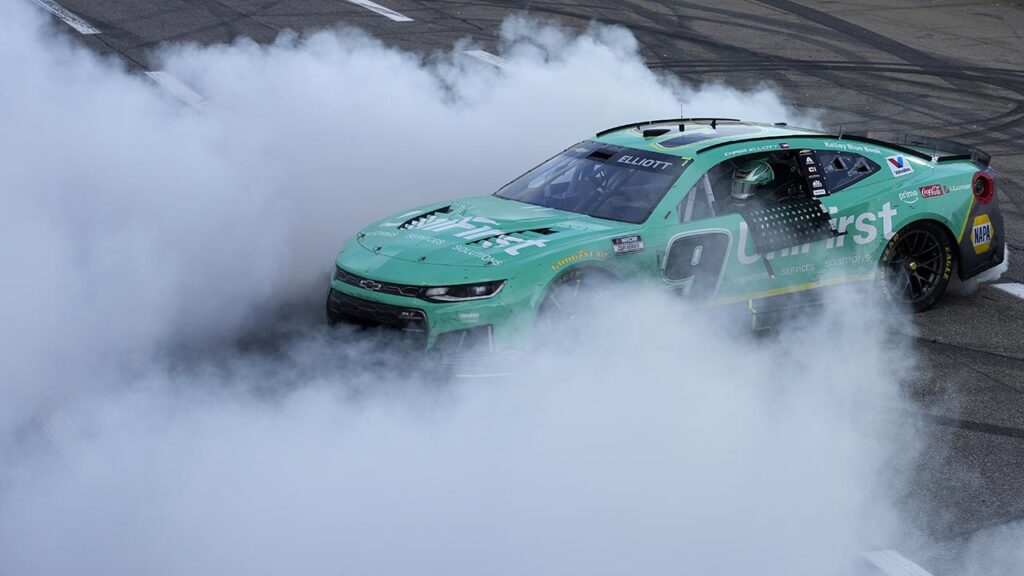
The Cook Out 400 at Martinsville Speedway produced a winner different from the one most of the race narrative seemed to point toward. Chase Elliott delivered Hendrick Motorsports its first victory of the season by beating Denny Hamlin in a very tight finish, capitalizing on strong strategy and perfect timing in the decisive phase of the race. For Chevrolet, the win also carried extra weight as it was the manufacturer’s first of the year in the Cup Series.
The final result, however, does not erase the level of control Hamlin showed through most of the afternoon. The Joe Gibbs Racing driver started from pole, won the first two stages and led 292 of the 400 laps, controlling both pace and track position at one of the most demanding short tracks on the calendar. But Martinsville rarely rewards only the driver who leads the longest — and this time it again rewarded the one who executed best when it mattered most.
Elliott struck where the race was decided
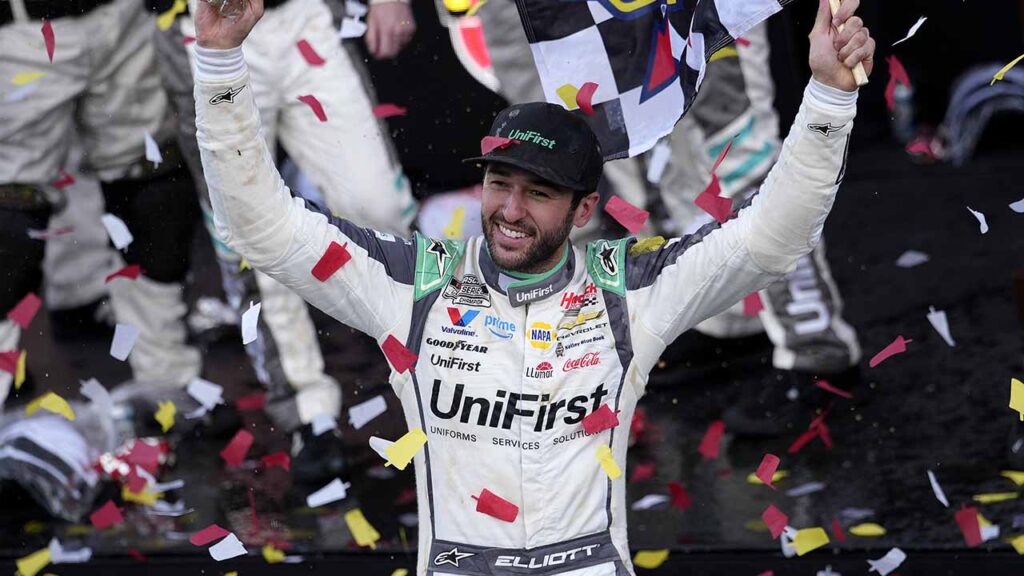
Elliott’s win was built more on execution than outright pace domination. Hendrick and driver navigated well a physical, intense race always vulnerable to cautions and critical restarts. When the right window opened, Elliott placed himself in attacking position and then held Hamlin off to the checkered flag. At a place like Martinsville, where track position matters almost as much as speed, that made all the difference.
The win also carried important symbolic weight. Elliott arrived at Martinsville still winless in 2026, and Hendrick too had been seeking its first major result of the season. Ending that run at a historic venue and against such a strong Hamlin gives the success clear competitive and psychological value.
The top 10 showed depth and balance
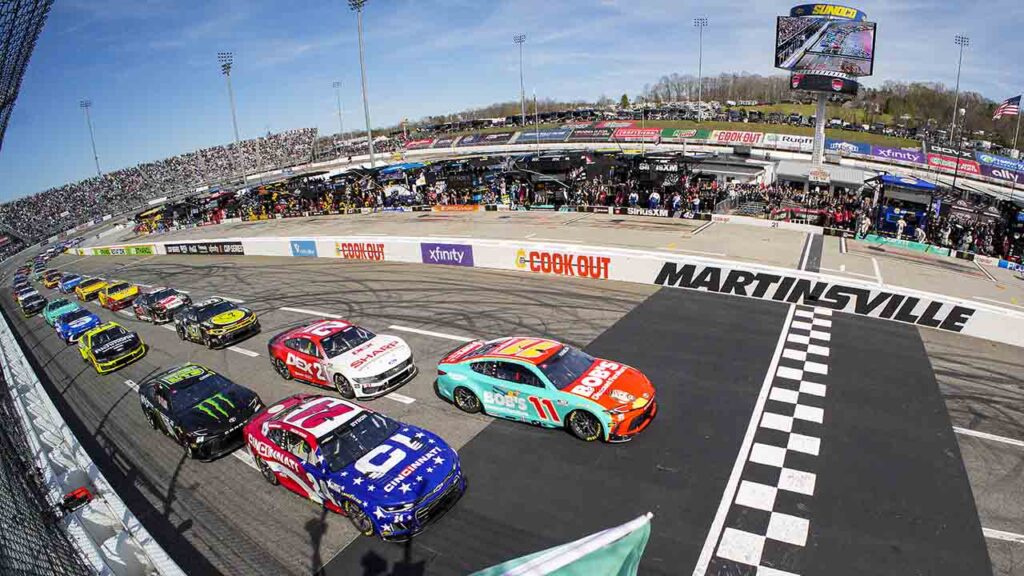
Behind Elliott and Hamlin, Joey Logano completed the podium in third, confirming Penske’s ability to stay close in this type of race. Ty Gibbs finished fourth and William Byron fifth, while Ryan Blaney, Christopher Bell, Austin Cindric, Kyle Larson and Josh Berry rounded out the top ten. The top 10 again showed a strong mix of Toyota, Chevrolet and Ford, as well as the depth of the field at this stage of the championship.
More than the finishing order itself, that group helps explain the current shape of the Cup Series. Several teams are capable of fighting regularly for top 10s, and the gap between controlling a race and leaving it with only a good result can depend on tiny details of strategy, restart execution or traffic. Martinsville was exactly that kind of race.
Hamlin leaves stronger even without the win
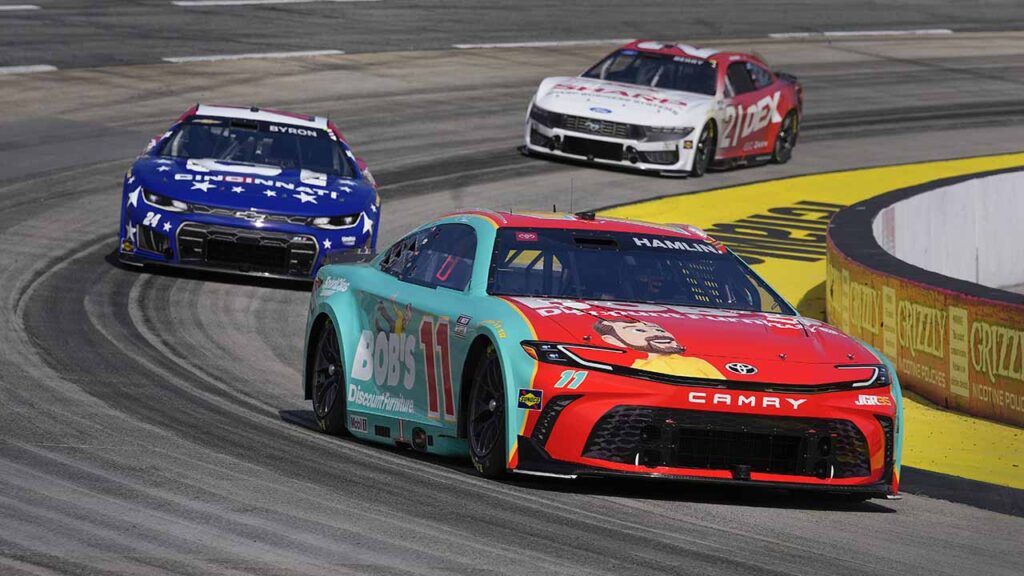
Denny Hamlin once again left Martinsville without the victory the race seemed to be building toward, but the performance reinforced the idea that he remains one of the strongest drivers at the start of the season. Leading 292 laps in such a competitive Cup Series is not a minor statistical detail; it is a serious competitive statement. The problem is that, in NASCAR, that is not always enough.
Martinsville therefore leaves a double reading. Elliott won the race and gave Hendrick a major boost, but Hamlin again showed the credentials of a strong championship contender. In the short term, the win matters more. In the long term, the partial domination of the No. 11 Toyota should not be ignored either.