







Opel is celebrating 125 years since its first motorsport victory, a defining moment that shaped both its competitive identity and its approach to automotive development. On March 31, 1901, Heinrich Opel won the Königsstuhl hill climb in Germany, driving a modified “Motorwagen” and launching a legacy that continues to this day.
That first victory was more than symbolic — it reflected a technical mindset focused on performance and reliability, values that still define the brand today.
1901: where it all began on a mountain road
The Königsstuhl hill climb, a 4.5 km course with gradients of up to 16%, was a true test of engineering and driver skill. Heinrich Opel completed the run in 23 minutes, clearly outperforming his rivals in a carefully optimized vehicle.
With just 5 hp, the car stood out for its reduced weight, achieved by removing various components and using rudimentary solutions that, almost unintentionally, anticipated aerodynamic concepts developed decades later.
Equally impressive was the context: Opel drove the car to and from the event himself, covering 180 km at an average speed of 45 km/h — remarkable figures for the early 20th century.
The early years: victories that built a brand

The success of 1901 was no coincidence. Just one year later, Heinrich Opel won again at Königsstuhl, this time in a more advanced Opel-Darracq, finishing with a significant margin over his competitors.
Opel quickly recognized motorsport as both a development laboratory and a branding tool. In the following years, the company continued to achieve strong results, consolidating its competitive presence.
In 1921, another milestone came at the AVUS circuit in Berlin, where Fritz von Opel won the opening race in front of more than 200,000 spectators, demonstrating the brand’s strength in circuit racing.
From rally dominance to international titles
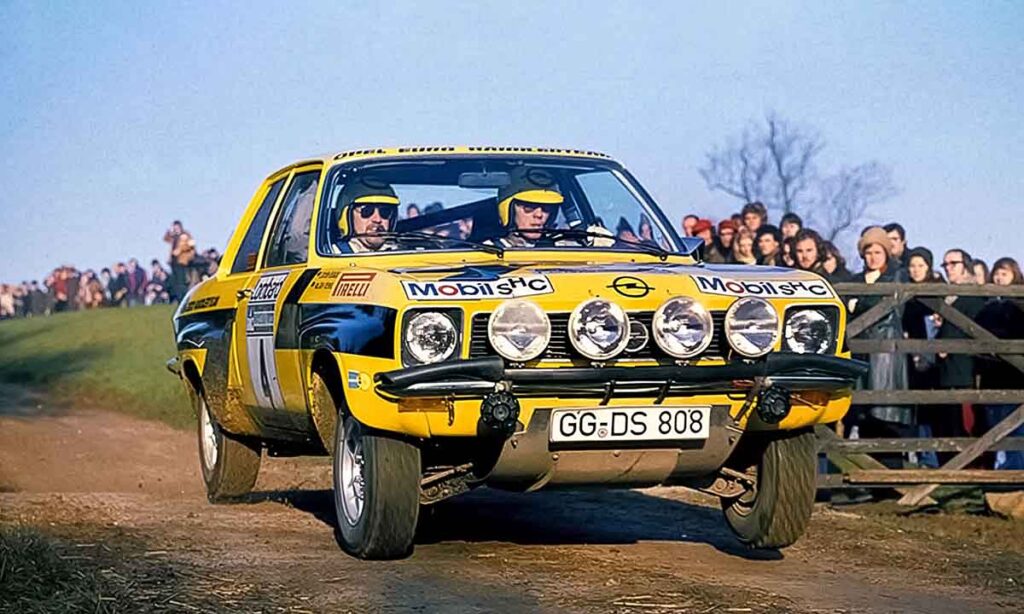
Over the decades, Opel built a strong reputation in motorsport, particularly in rallying.
Walter Röhrl became a defining figure for the brand, winning the European Rally Championship in 1974 and the World Rally Championship in 1982 with the iconic Ascona 400.
On circuits, Opel also achieved major success, notably with Manuel Reuter’s 1996 International Touring Car Championship title in the legendary Calibra “Cliff”.
These achievements reinforced Opel’s image as a versatile and competitive manufacturer across different disciplines.
The electric present: a new chapter in competition

In recent years, Opel has taken a pioneering role in electric motorsport.
The launch of the world’s first electric rally one-make cup in 2021 demonstrated that competitive excitement can coexist with sustainability.
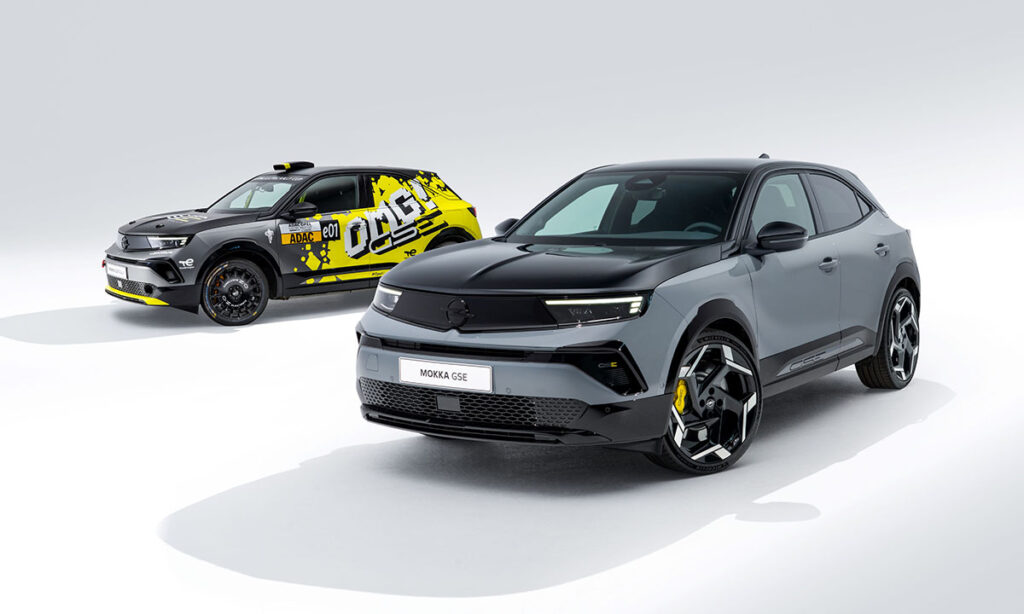
Models such as the Mokka GSE Rally — and its road-going counterpart — strengthen the link between racing and production vehicles.
The next step is already defined: Opel’s entry into the ABB FIA Formula E World Championship with the Opel GSE team marks a new era aligned with electrification.
A legacy that keeps accelerating
As it celebrates 125 years since its first victory, Opel is not just looking back — it is reaffirming its future.
From a 5 hp “Motorwagen” to modern high-performance electric projects, the German brand has built a consistent narrative of innovation, competition and evolution.
And just like in 1901, motorsport remains at the heart of Opel’s identity — and its development path.