















AC Schnitzer, one of the most respected BMW tuning specialists, is set to cease operations, bringing to an end nearly four decades of innovation, performance and distinctive identity within the Bavarian brand’s ecosystem.
Founded in 1987, the company quickly established itself as a global reference in the development of modified BMW models, building a reputation on high-level engineering and bold design. For years, Schnitzer occupied a unique space: not officially part of BMW like the M division, yet often delivering more radical and exclusive interpretations.
The decision to close comes at a time of profound transformation in the automotive industry — and reflects the growing challenges faced by independent tuners.
The reasons behind the closure
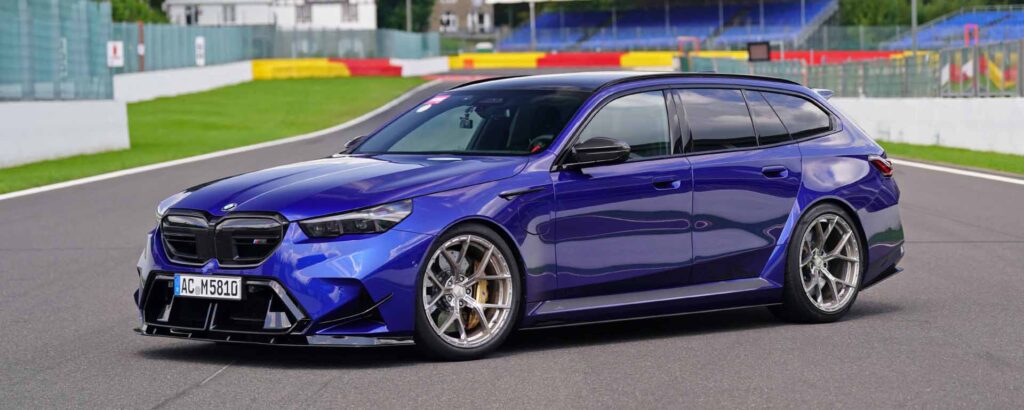
The end of AC Schnitzer is the result of several structural factors. Rising development and production costs have made it increasingly difficult to sustain profitability in a competitive market.
At the same time, strict homologation processes — particularly in Germany — have slowed the introduction of new products. In many cases, modified versions reached the market months after the base models, reducing their commercial impact.
The broader technological shift toward electrification also plays a key role. Modern vehicles, with complex systems and proprietary software, leave far less room for traditional mechanical tuning — a core part of Schnitzer’s identity.
Additionally, changing consumer behavior has influenced demand. Younger generations are less focused on mechanical customization and more oriented toward digital experiences and mobility solutions.
Iconic models that defined a legacy
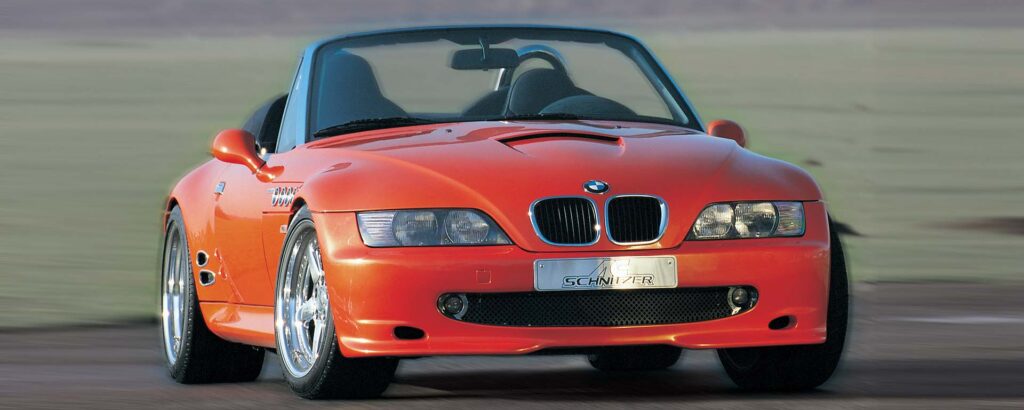
Throughout its history, AC Schnitzer produced some of the most iconic modified BMWs, many of which are now considered collector’s items.
Among them is the ACS3 based on the BMW M3 E30, which pushed the compact sports car concept further with significant performance and handling upgrades.
Another standout is the AC Schnitzer V8 Roadster, a bold project that combined the BMW Z3 body with a V8 engine — a radical expression of engineering creativity.
More recent models based on the BMW M5 and M6 also received extensive upgrades, featuring increased power outputs and aggressive aerodynamic packages.
These cars represented more than performance figures — they embodied a philosophy: that a BMW could go beyond what the manufacturer itself envisioned.
Motorsport roots and legacy

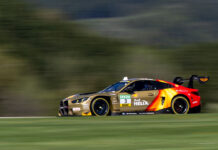
AC Schnitzer’s influence extended beyond tuning into motorsport, where it played a significant role in touring car and endurance racing.
Its close ties to Schnitzer Motorsport — a historic BMW-affiliated racing team — reinforced its competitive identity, contributing to success in series such as DTM and endurance events like the Nürburgring 24 Hours.
This connection between road and track was central to the brand. Knowledge gained in racing directly influenced road car development, creating a genuine link between competition and product.
A reflection of changing times
The end of AC Schnitzer is not just the closure of a tuning company — it is a reflection of broader shifts within the automotive industry.
As electrification, digitalization and manufacturer-controlled ecosystems become dominant, the space for independent modification continues to shrink.
Yet Schnitzer’s legacy remains — in the cars it created, the culture it helped shape, and the generations of enthusiasts it inspired.
Its disappearance marks the end of an era — and a reminder of a time when independent engineering and personalization were at the heart of automotive passion.