












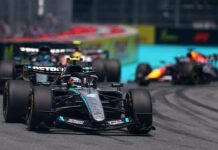







The entry of the Audi Revolut F1 Team into Formula 1 in 2026 represents one of the most ambitious projects in recent years. Built on the foundation of Sauber and structured as a full factory team, Audi arrived with clear objectives — but also with the understanding that success would not come immediately.
After the opening rounds, the picture reflects that reality: flashes of competitiveness, some positive signs, and clear struggles in a highly competitive grid.
A promising… but inconsistent start
The opening races delivered mixed results. The team scored points in Australia, with Gabriel Bortoleto finishing ninth and securing the project’s first points.
However, the Chinese Grand Prix exposed weaknesses: Nico Hulkenberg finished outside the points, while Bortoleto failed to start due to a technical issue before the race.
This contrast reflects the team’s current reality — potential is there, but consistency is missing.
Jonathan Wheatley: unexpected departure at a critical time
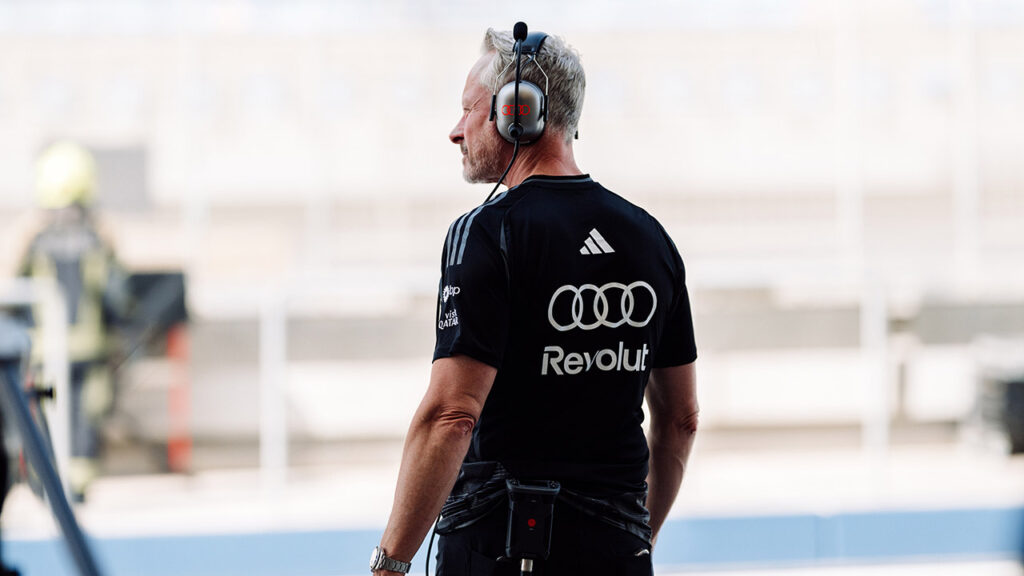
One of the biggest disruptions came with the sudden departure of Jonathan Wheatley, who left his role as team principal early in the season.
The move comes at a sensitive stage, just as the team needs strong leadership to stabilize operations and development.
According to current information, leadership now centers around Mattia Binotto, who brings extensive Formula 1 experience and is tasked with guiding the project forward.
New teams need stability — and Audi lost it early.
Bortoleto and Hulkenberg: youth and experience under pressure

Audi’s driver lineup reflects a clear strategy: blending youth with experience.
Gabriel Bortoleto, a highly rated young talent, has already shown promise by scoring points early in the season. However, his start has also been impacted by technical issues and adaptation challenges.
Meanwhile, Niko Hulkenberg provides consistency and racecraft. The German has praised the “seriousness and energy” of the Audi project, underlining internal belief in its long-term potential.
But both face the same challenge: delivering results with a car that is still developing.
Structure and ambition: a long-term project
Audi’s Formula 1 entry is built with the long game in mind.
With operations across Hinwil (chassis), Neuburg (power unit) and the UK (technology hub), the team has established a strong foundation aligned with the new 2026 regulations.
The internal goal is clear: compete for wins — and eventually titles — later in the decade.
But that requires time, development and a willingness to absorb early setbacks.
Season outlook: gradual progress as the key objective

For the remainder of the season, gradual improvement is the most realistic scenario.
Audi is expected to focus on:
- improving reliability
- refining race execution
- strengthening its technical base
Points will likely come inconsistently, especially in unpredictable races. A sudden leap to the front is unlikely, but Building consistency will be the real measure of progress.
Between ambition and reality: the real test begins now
Audi’s start in Formula 1 confirms a well-known truth: success cannot be rushed.
The project has:
- resources
- talent
- vision
But still needs:
- stability
- consistency
- true competitiveness
Wheatley’s departure may be a setback — but it could also trigger internal recalibration.
Ultimately, Audi’s success will not be defined in 2026, but in how it turns this difficult beginning into a solid foundation for the future.